
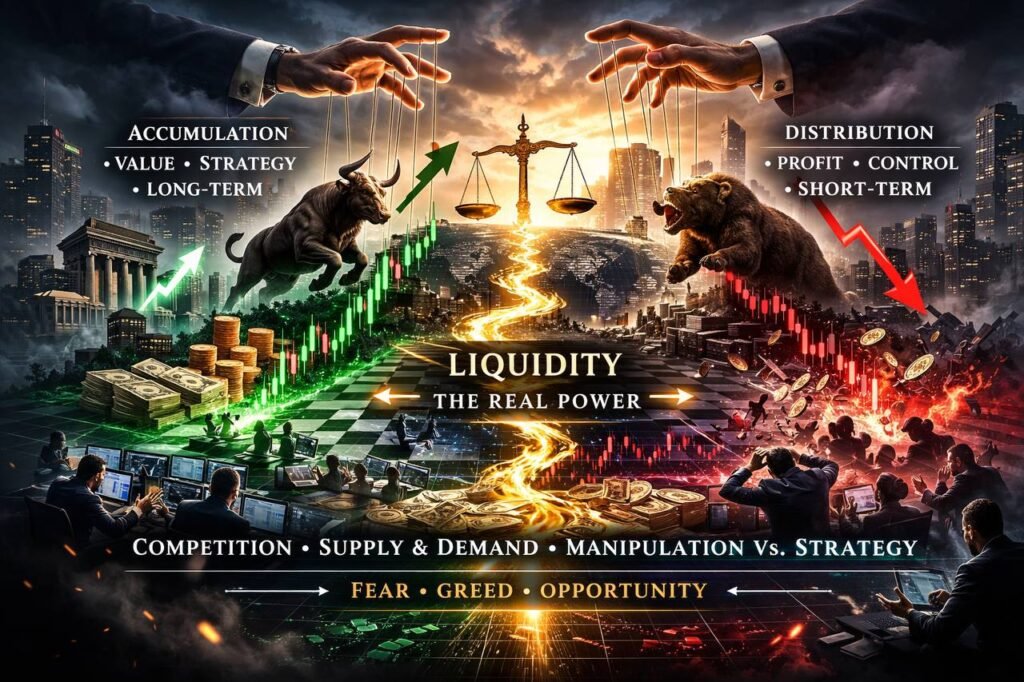
When Liquidity Collides
How Buyers, Sellers, and Capital Power Really Shape Markets
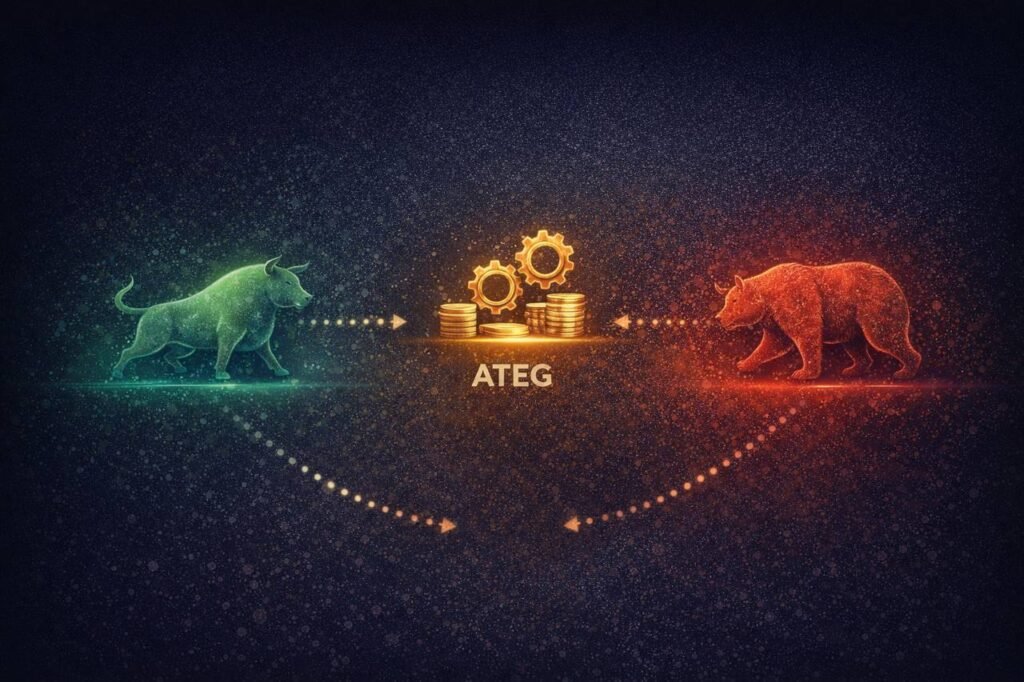
Markets move in cycles.
Bull markets expand.
Bear markets contract.
This applies to crypto markets, real estate markets, and energy markets alike.
They are interconnected, influence each other, and react to global conditions.
The question is therefore not whether a system is influenced by markets —
but how it behaves when conditions change.
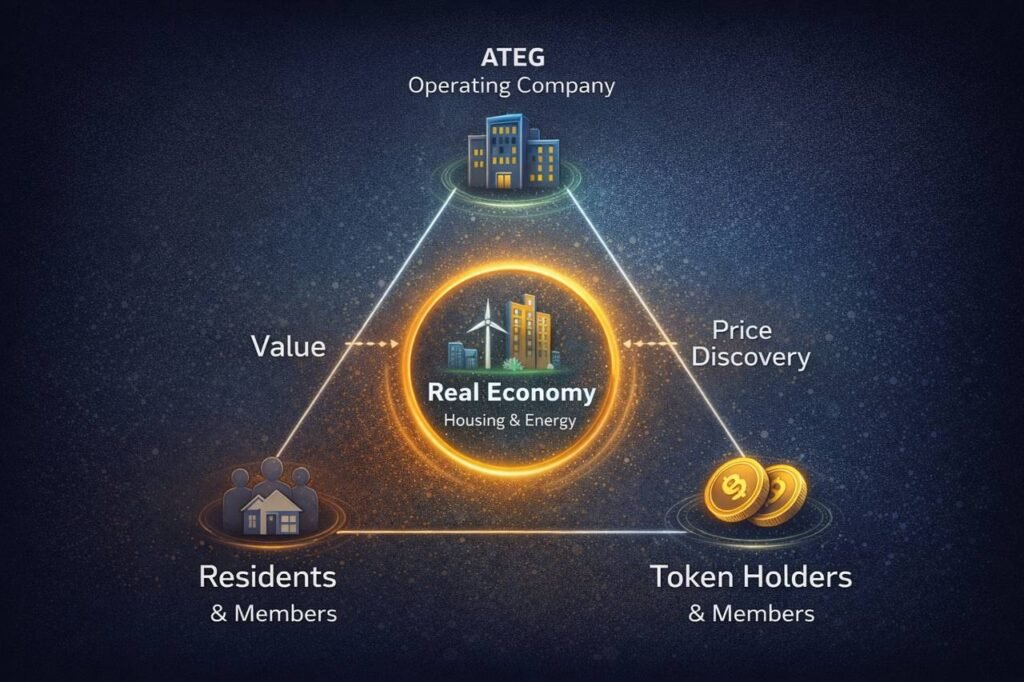
At the core of our model lies a simple but often overlooked idea:
Value is not created by one group alone.
It emerges from interaction.
When we designed ATEG, we did not see real estate, residents, and token holders as separate or competing interests.
We saw them as interdependent parts of one economic system.
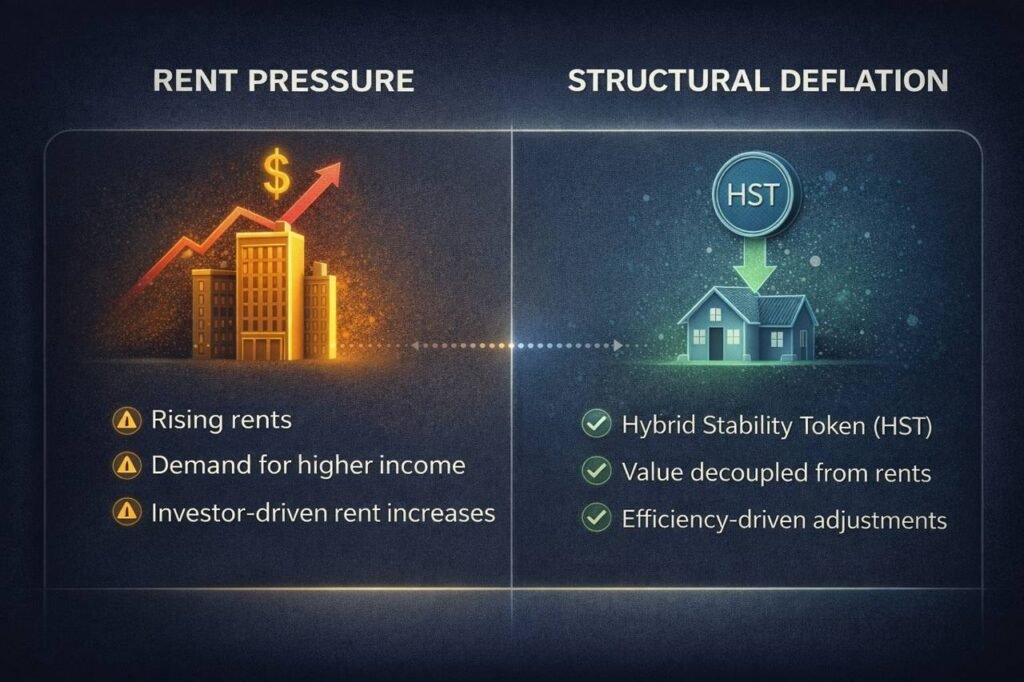
In traditional real estate investment models, value growth follows a simple and widely accepted logic:
To increase returns, rental income must increase.
To increase rental income, rents must rise — or costs must be reduced.
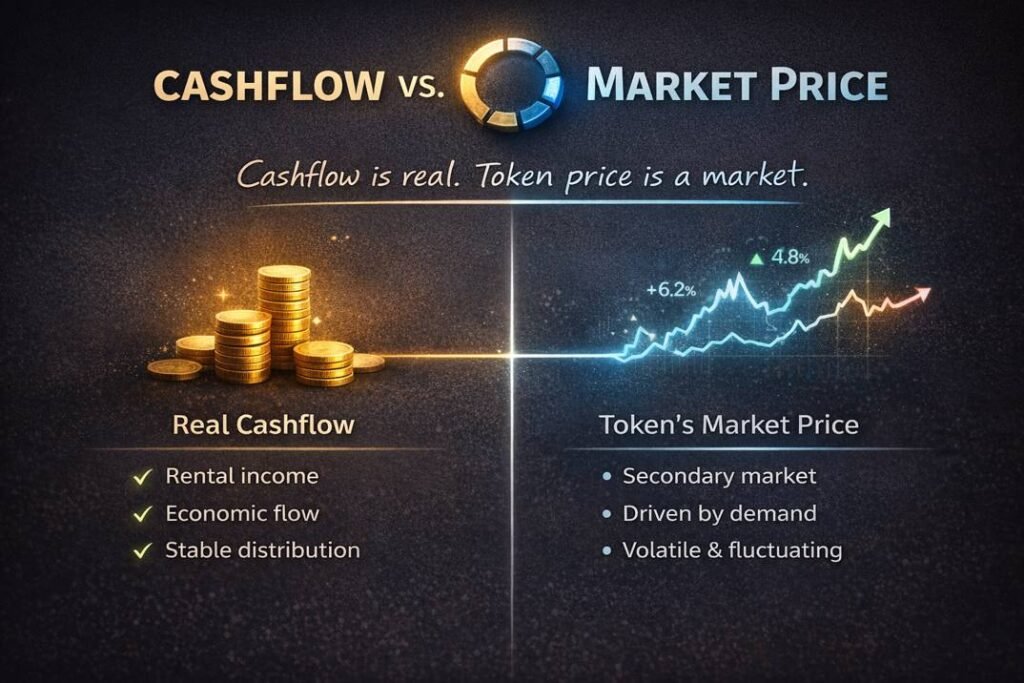
Cashflow is real. Token price is a market. This distinction sits at the core of real estate tokenization — and
Understanding Value, Demand, and Reality You bought a token.You receive rental income.But an important question often remains unanswered: Why should
You bought a token. But did you buy the building? Fractional ownership has become one of the most frequently used

For more than a decade, digital assets have advanced in remarkable ways. They became faster, more secure, more programmable, more accessible, and more global. They enabled tokenization, decentralized finance, new financial instruments, asset automation, and programmable value transfer.
Yet even with all these breakthroughs, one crucial layer has been missing — silently, but fundamentally:
The layer that connects digital assets to the monthly economic rhythm of real human life.
This is the layer that ATEG introduces.
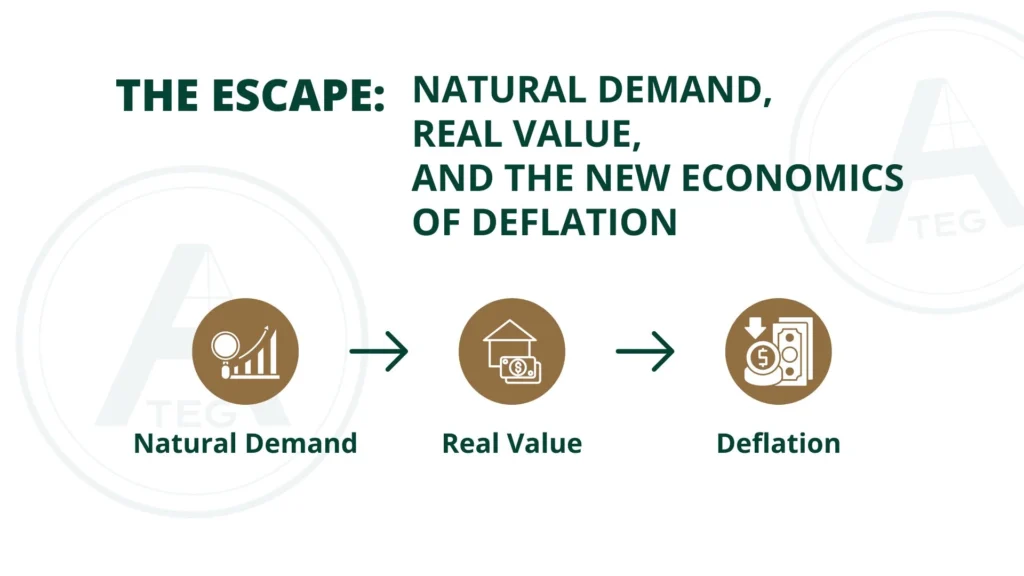
Most digital-asset systems assume that growth comes from external activity: more marketing, more visibility, more incentives, or more speculative movement. But sustainable value does not emerge from activity alone. It emerges when an ecosystem produces something that participants naturally require — and when the underlying economics strengthen as the system expands.
This article examines the core elements of a sustainable digital-economic model: natural demand, real value, and a form of deflation that enhances long-term stability rather than damaging it. Together, these components lay the foundation for a more resilient and economically grounded digital ecosystem.
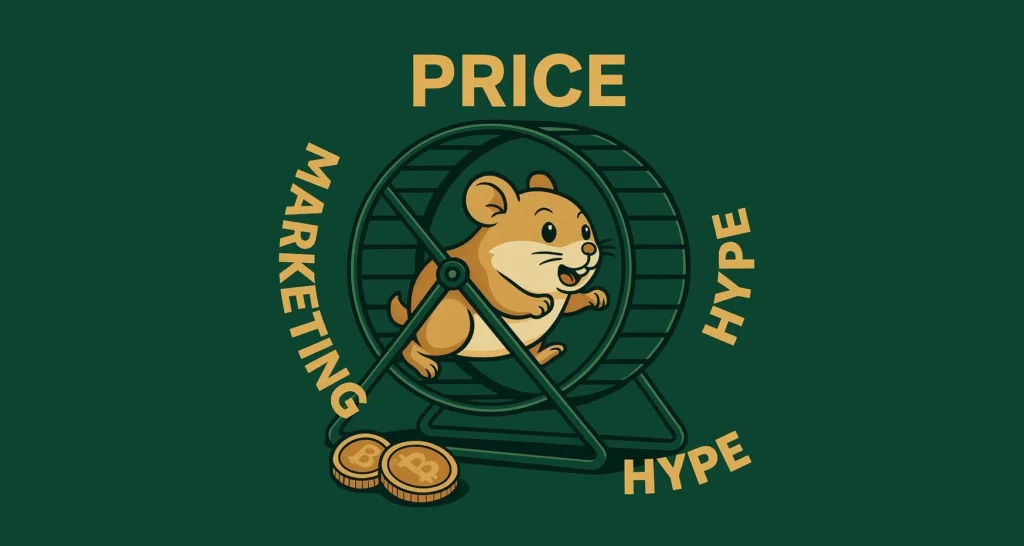
Hype is not demand. Marketing is not value. And movement is not progress.
Yet across the global digital-asset landscape, many projects rely on these three forces as if they were economic fundamentals. The result is an industry that appears dynamic from the outside, but internally repeats the same pattern again and again — a cycle that resembles a hamster wheel more than a functioning economy.
This article explains how this cycle forms, why it persists, and why distinguishing real demand from artificial momentum is essential for the future of any sustainable digital ecosystem.