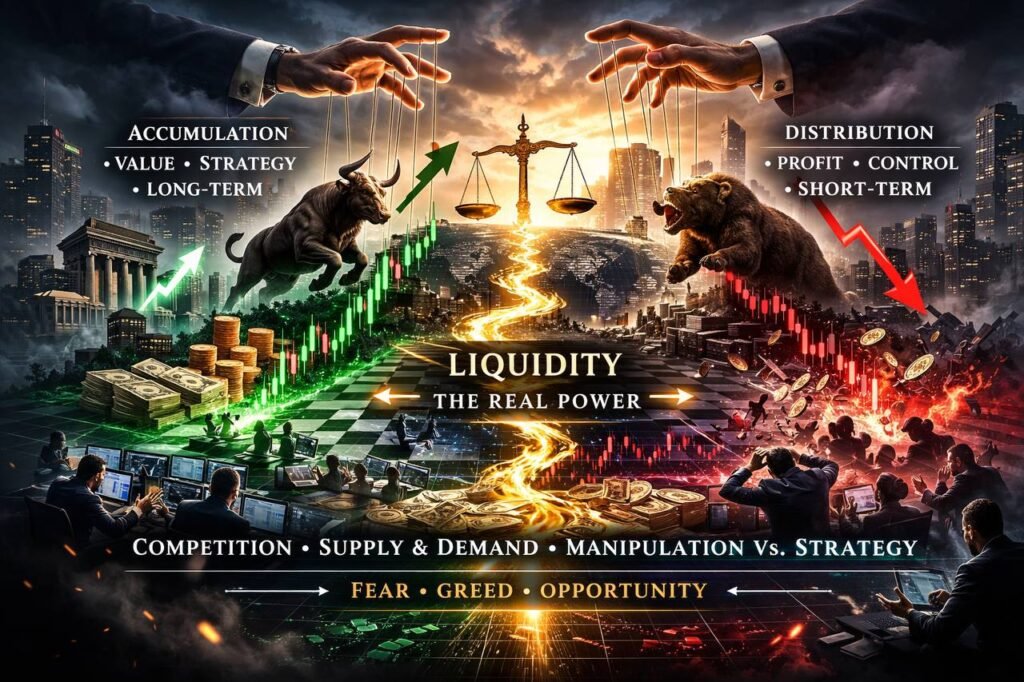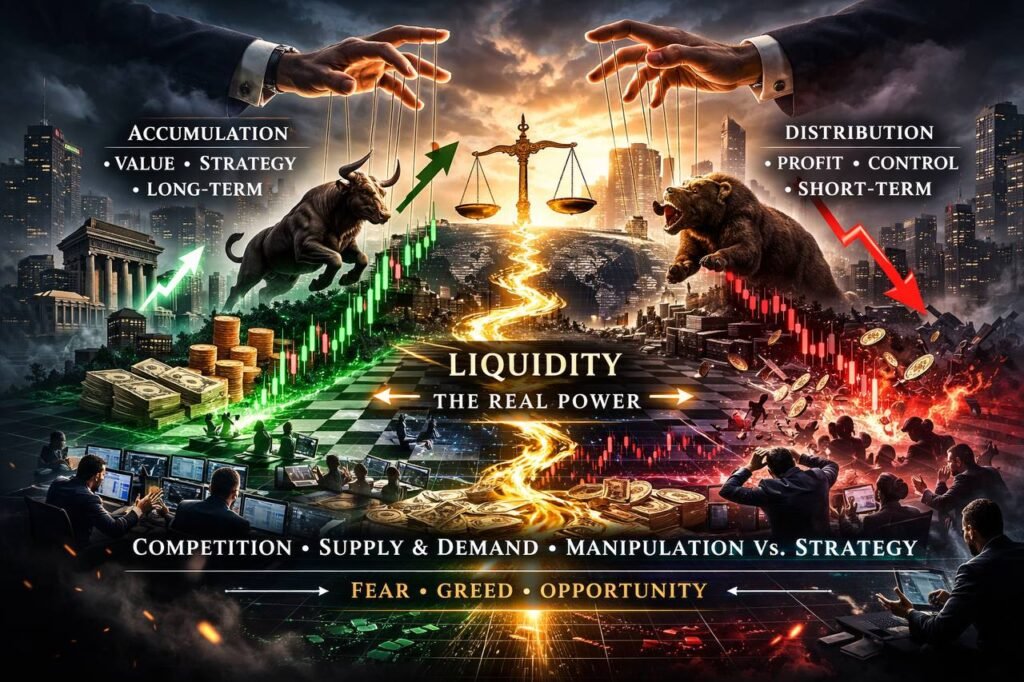
Wenn Liquidität kollidiert
Wie Käufer, Verkäufer und Kapitalmacht Märkte wirklich formen

Wie Käufer, Verkäufer und Kapitalmacht Märkte wirklich formen
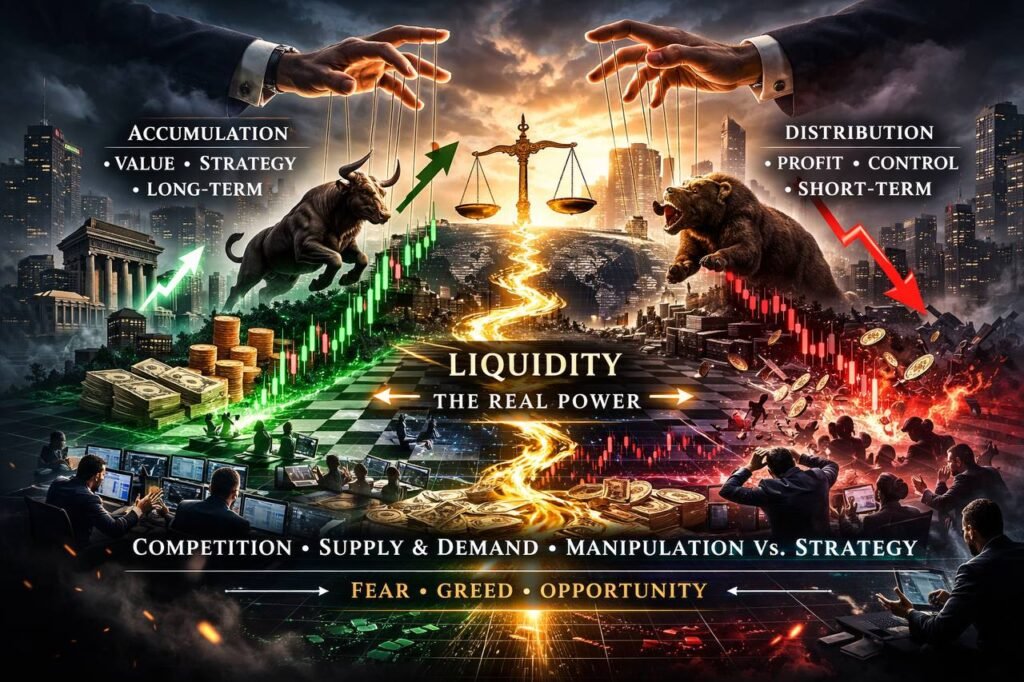
Comment acheteurs, vendeurs et puissance du capital façonnent réellement les marchés
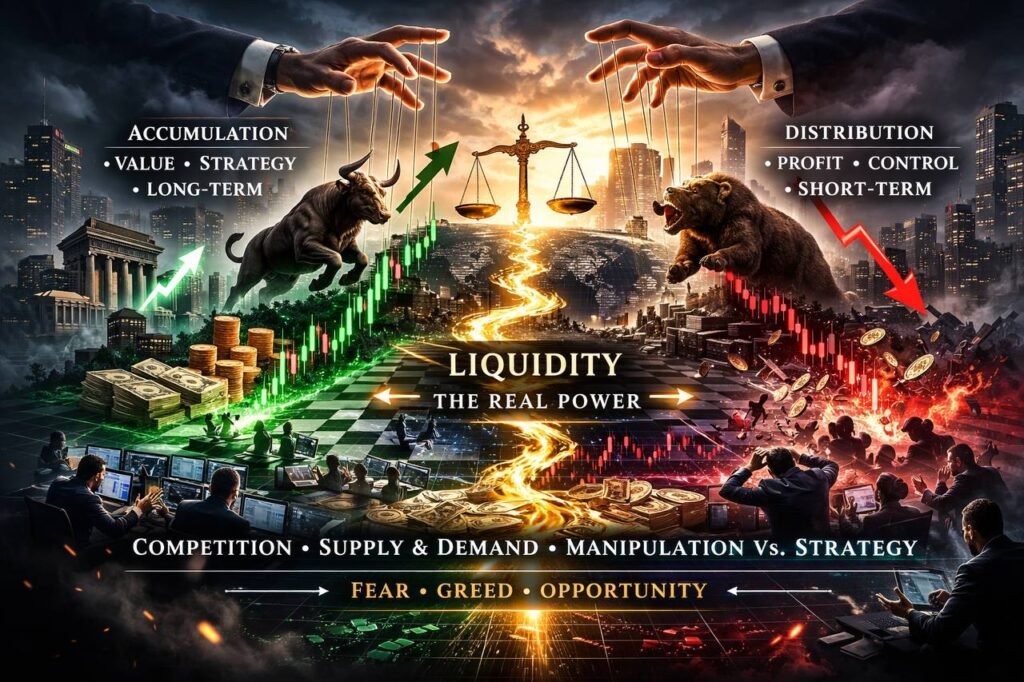
Cómo compradores, vendedores y poder de capital moldean realmente los mercados

Eine neue digitale Asset-Kategorie, verankert in realer Wirtschaft und einem monatlichen Real-Value-Index.
Une nouvelle catégorie d’actifs numériques, ancrée dans l’économie réelle et fondée sur un Indice de Valeur Réelle mensuel.
Una nueva categoría de activo digital, anclada en la economía real y en un Índice de Valor Real mensual.
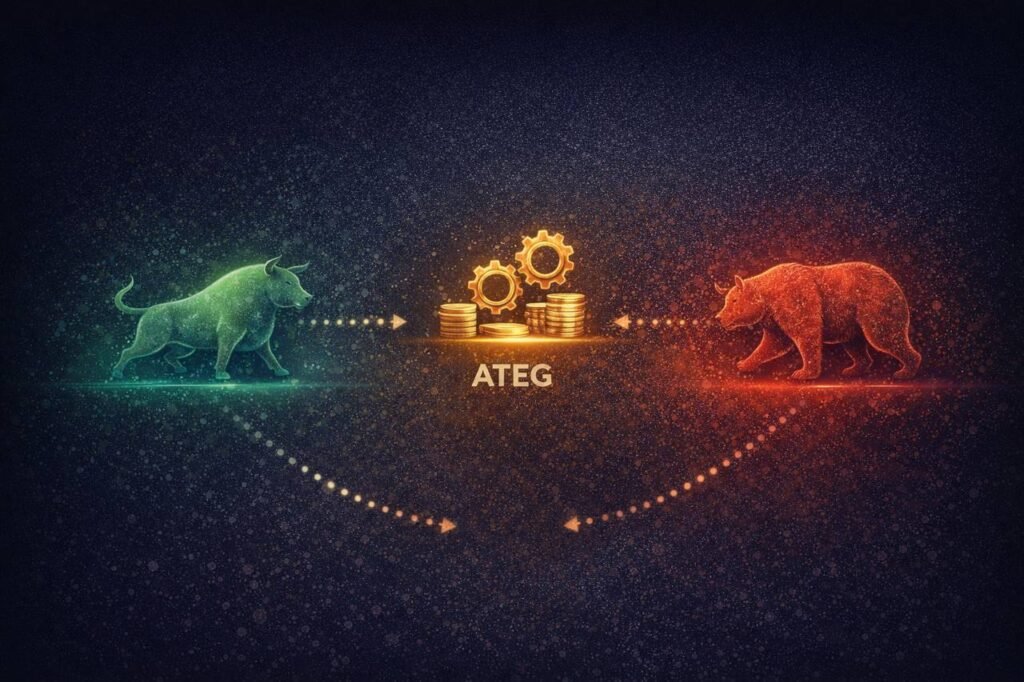
Markets move in cycles.
Bull markets expand.
Bear markets contract.
This applies to crypto markets, real estate markets, and energy markets alike.
They are interconnected, influence each other, and react to global conditions.
The question is therefore not whether a system is influenced by markets —
but how it behaves when conditions change.
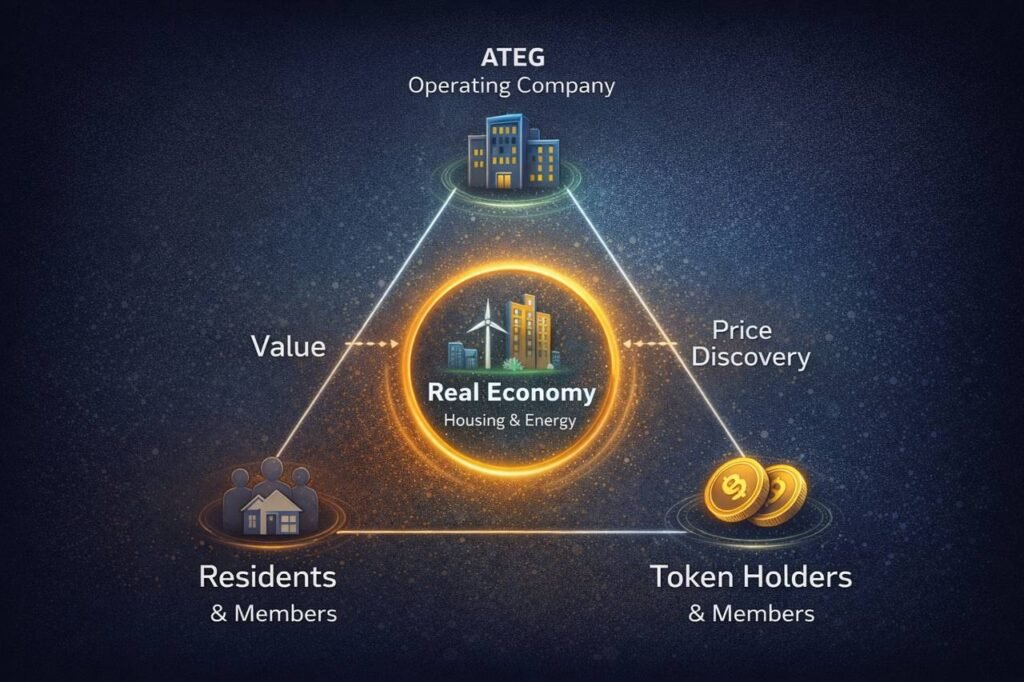
At the core of our model lies a simple but often overlooked idea:
Value is not created by one group alone.
It emerges from interaction.
When we designed ATEG, we did not see real estate, residents, and token holders as separate or competing interests.
We saw them as interdependent parts of one economic system.
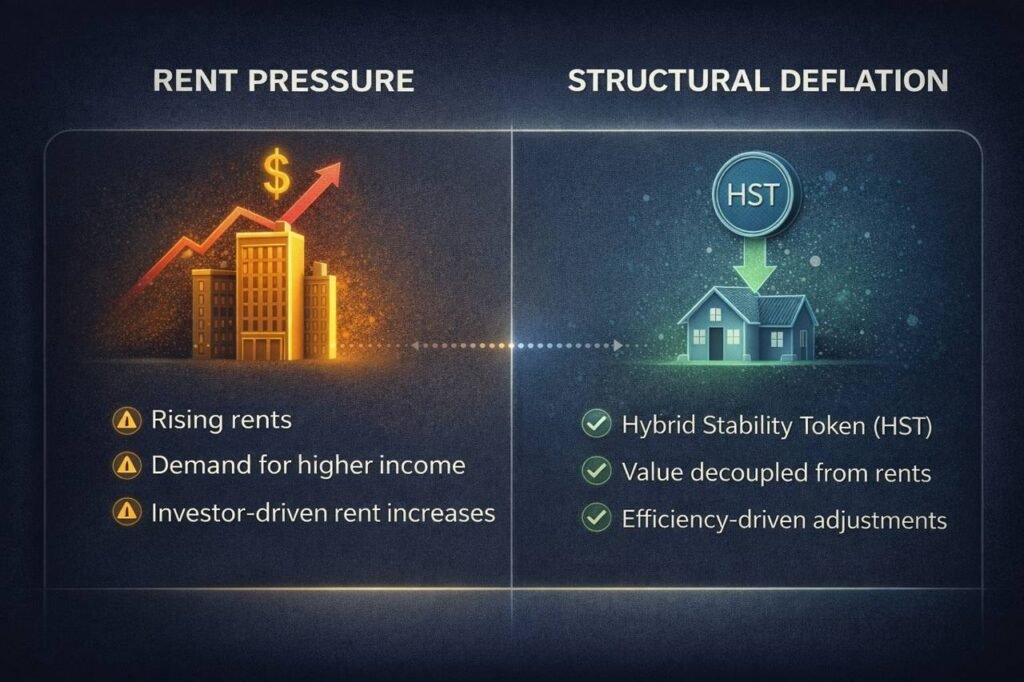
In traditional real estate investment models, value growth follows a simple and widely accepted logic:
To increase returns, rental income must increase.
To increase rental income, rents must rise — or costs must be reduced.
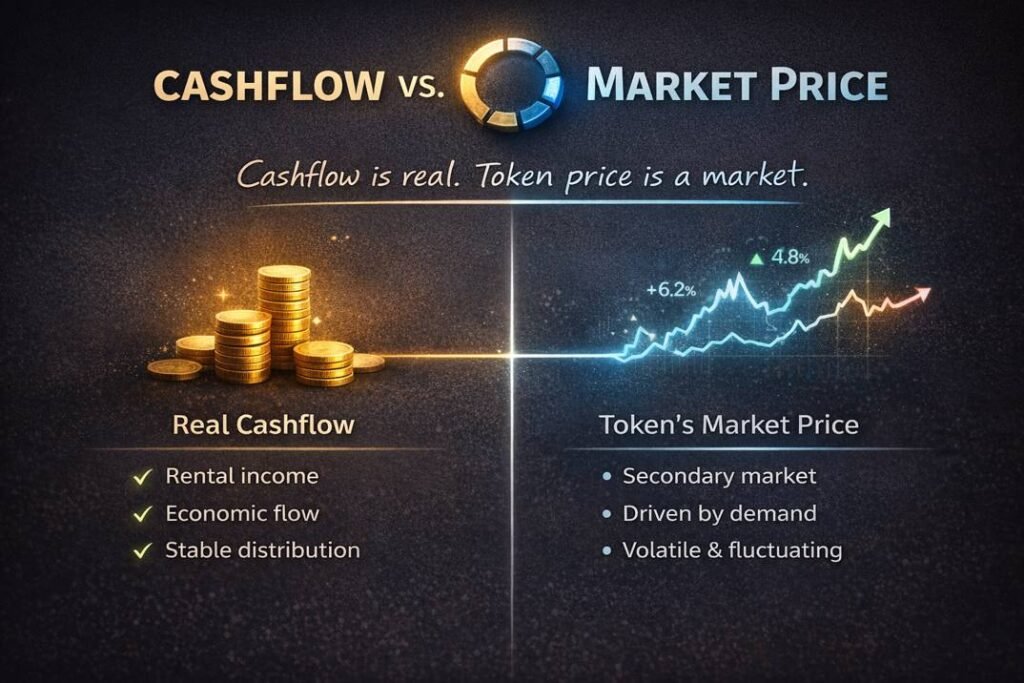
Cashflow is real. Token price is a market. This distinction sits at the core of real estate tokenization — and
Understanding Value, Demand, and Reality You bought a token.You receive rental income.But an important question often remains unanswered: Why should